
Impact Footprint
Impact Footprint 2025
Empowering people, protecting the planet
Impact investing continues to evolve, with greater expectations around transparency, comparability and evidence of real-world outcomes. At BlueOrchard, measuring and managing impact has been central to our investment approach for more than two decades. Through our B.Impact™ framework, we systematically assess ESG risks and practices, impact potential, and alignment with the UN Sustainable Development Goals across our investments.
Our 2025 Impact Footprint provides an overview of the impact contributions across BlueOrchard-managed funds, reflecting our focus on two of the most pressing challenges facing emerging and frontier markets: inequality and climate change. Our investments seek to expand access to responsible financial services, support entrepreneurs and businesses, strengthen economic resilience, and contribute to climate change mitigation and adaptation.
Impact considerations are integrated throughout the investment process, supported by dedicated tools, regular monitoring and engagement with our investees. We continue to strengthen our approach as impact measurement practices and data availability evolve, with a focus on transparency and meaningful, measurable outcomes.
Looking ahead to 2026, as BlueOrchard celebrates its 25th anniversary, we remain committed to mobilising capital towards inclusive and climate-resilient growth in emerging and frontier markets, while seeking attractive financial returns for our investors.
We thank our investees, investors and partners for their continued collaboration in advancing more inclusive and sustainable development.

Our Impact Themes
Figures are as of December 2025. Source: BlueOrchard.
Inclusion
Including
the Excluded
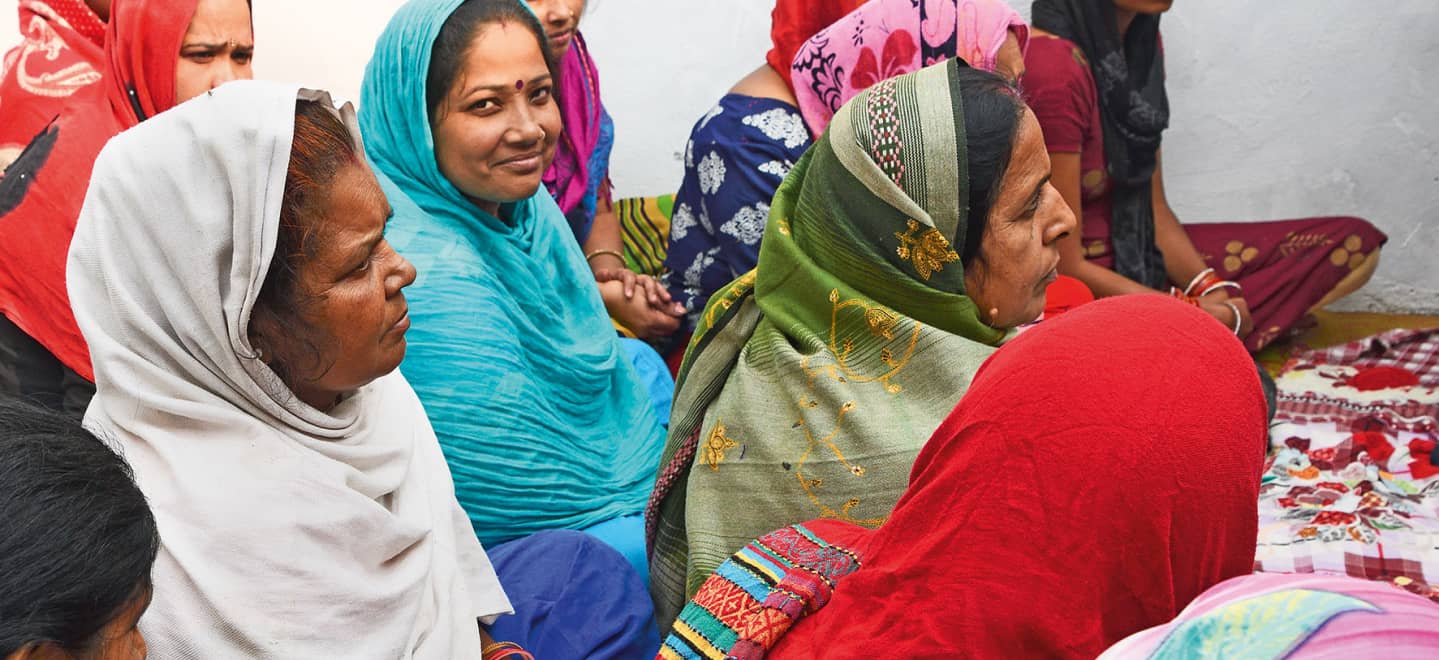
Financial inclusion can enable people and businesses to seize opportunities, strengthen livelihoods and build resilience. Yet many MSMEs and underserved communities in emerging and frontier markets still lack access to suitable financial services.
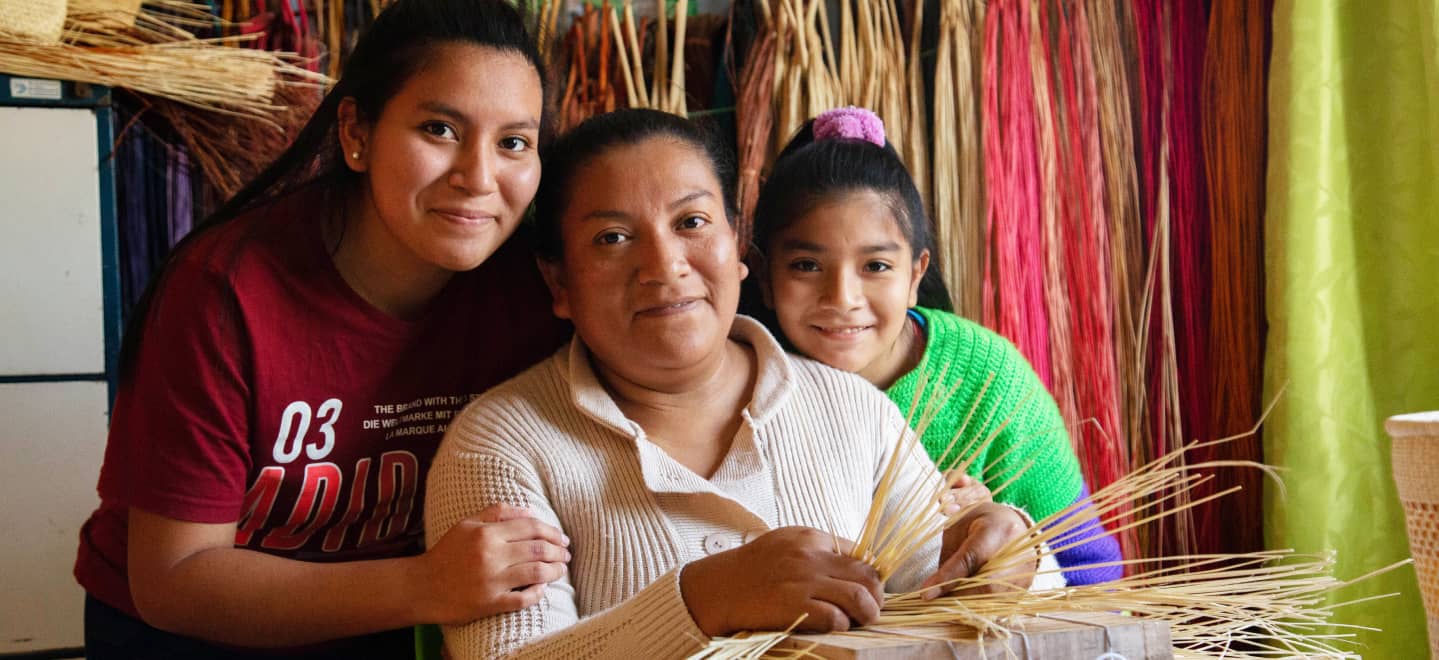
BlueOrchard invests in responsible financial institutions that expand access to finance, particularly for women and rural communities, supporting entrepreneurship, job creation and more resilient local economies.
Learn about our methodology here.
Financial Inclusion Insights
Why financial inclusion?
Why does financial inclusion matter?
In this video, we explore how responsible financial services help underserved households, women, and micro, small and medium-sized enterprises build resilience, seize opportunities, and improve their long-term well-being. Learn how access to loans, savings, insurance, and digital payments can strengthen economic agency, support business growth, and help people withstand financial shocks. Discover why financial inclusion is essential for sustainable socio-economic development, resilience, and inclusive growth. Click to view.


Emerging Market MSME Finance Outlook
Microfinance outlook for 2025
The microfinance asset class stands at the forefront of global economic change, leveraging technological advances and adapting to evolving financial needs—especially in developing countries. By supporting MSMEs with loans, private credit plays a vital role in advancing financial inclusion for those excluded from traditional banking services. Click to read.
Case Study - Five dimensions of impact in practice: BRAC Tanzania Finance Limited, Tanzania
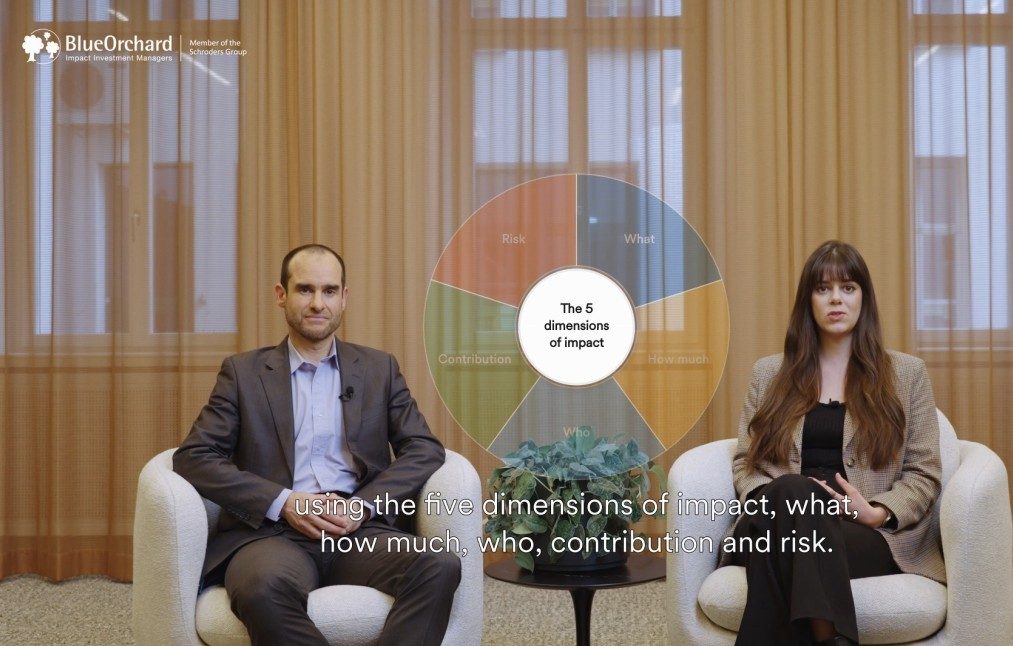
How do we assess impact in practice?
In this video, we explore how BlueOrchard’s proprietary B.Impact™ Framework evaluates investments across five dimensions: What, How Much, Who, Contribution, and Risk. Using BRAC Tanzania Finance Limited as a case study, discover how impact assessment considers the needs of underserved communities, the scale of outreach, investor contribution, and potential risks. Learn how responsible finance can support women entrepreneurs, strengthen livelihoods, and build long-term socio-economic resilience. Click to view.
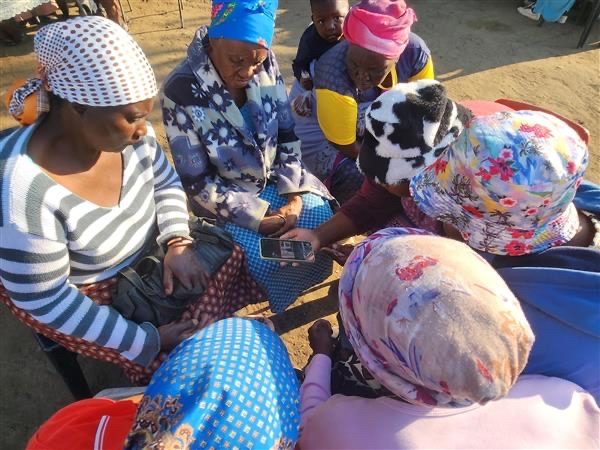
Spotlight on our partners (case study): How SEF empowers rural women entrepreneurs
Case Study: The Small Enterprise Foundation (SEF)
Discover how the Small Enterprise Foundation (SEF) empowers women micro-entrepreneurs in rural South Africa through group-based microloans, financial literacy, and entrepreneurship training. Learn how access to responsible finance helps women launch businesses, support their families, and strengthen their livelihoods. The case study also highlights how BlueOrchard’s partnership with SEF supports financial inclusion for underserved communities, helping the organisation reach 186,657 clients across seven provinces, 99% of whom are women. Click to read.
SMEs play a critical role in the economy of less developed countries. According to the WorldBank , SMEs make up about 90% of all businesses and formal SMEs contribute as much as 40% of GDP in emerging economies. What is truly remarkable, is that SMEs are responsible for creating 7 out of every 10 formal jobs in these markets, highlighting their essential contribution to job creation and economic development.
Source: Worldbank, “Small and Medium Enterprises (SMEs) Finance”, 2025. For detailed definitions, refer to the annual impact report 2025 of BlueOrchard’s flagship microfinance strategy.

Education
Education is key for a self-determined life and a prosperous and inclusive society. By financing loans to students, learners, and education providers in Africa, BlueOrchard fosters affordable and quality education.
Learn about our methodology here.
Empowering through Education

The role of financial inclusion in improving access to education
The role of financial inclusion in improving access to education
Financial inclusion is key to improving access to essential services in many emerging markets. By providing access to savings, credit, and insurance, it empowers individuals to make informed decisions and invest in areas like education. Click to read the full article.
Education Finance Impact Measurement: Lessons Learned
Practical lessons for measuring the quality, affordability, and access outcomes of education finance in Africa.
How can investors and lenders measure whether education finance is improving quality, affordability, and access? This report shares practical lessons from BlueOrchard’s education finance initiative in Africa and the development of the EduFinance Tracker. Discover recommendations for defining indicators, integrating reporting systems, securing management buy-in, and budgeting for implementation. Click to read.
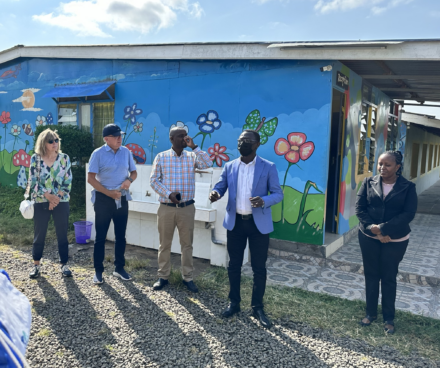
#ThisIsMyStory – Mr. Mwangi and Ms. Fatma
#ThisIsMyStory – Mr. Mwangi and Ms. Fatma
Oak Tree School was founded in 2014 by Mr. Mwangi, an accountant, and Ms. Fatma, a teacher and now Principal. Starting from a small three-bedroom setup, the school grew and moved to larger sites as the team expanded. In 2021, they relocated to the current location, where enrolment increased significantly, establishing the school as a trusted choice for local families. Click to read their full story.
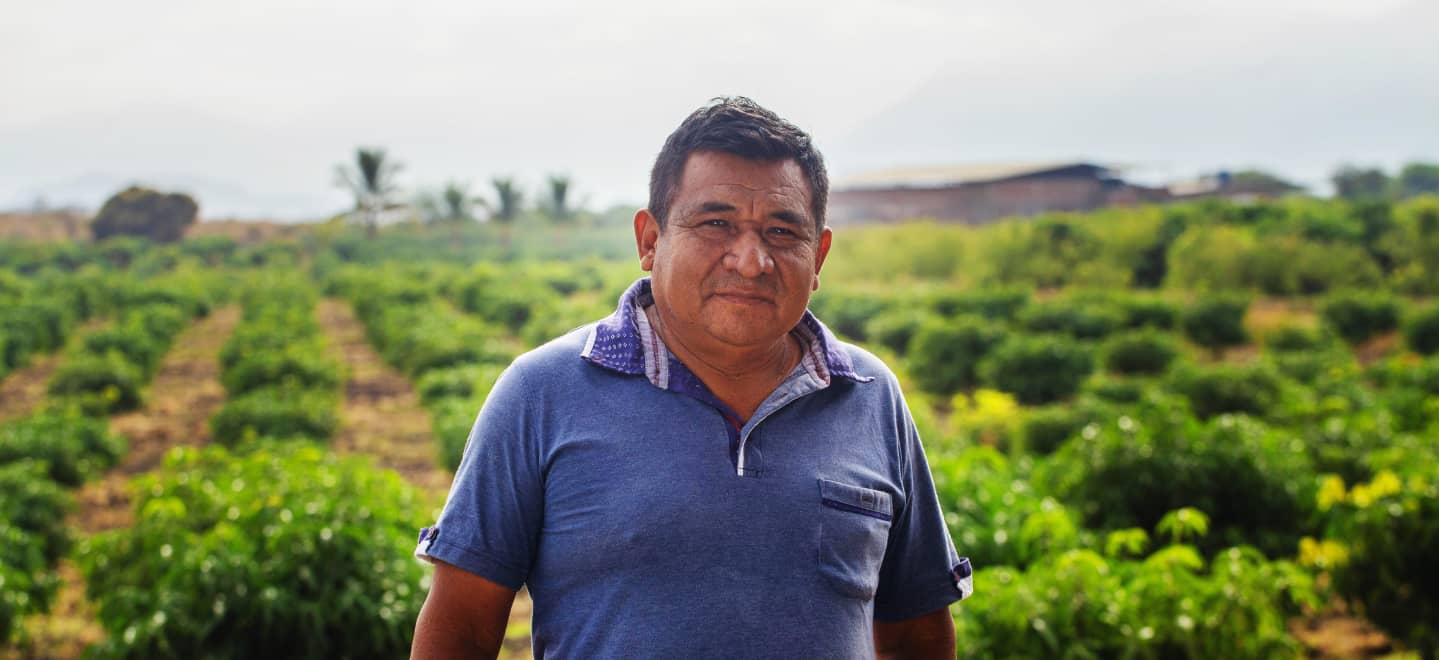
Climate
Climate Action
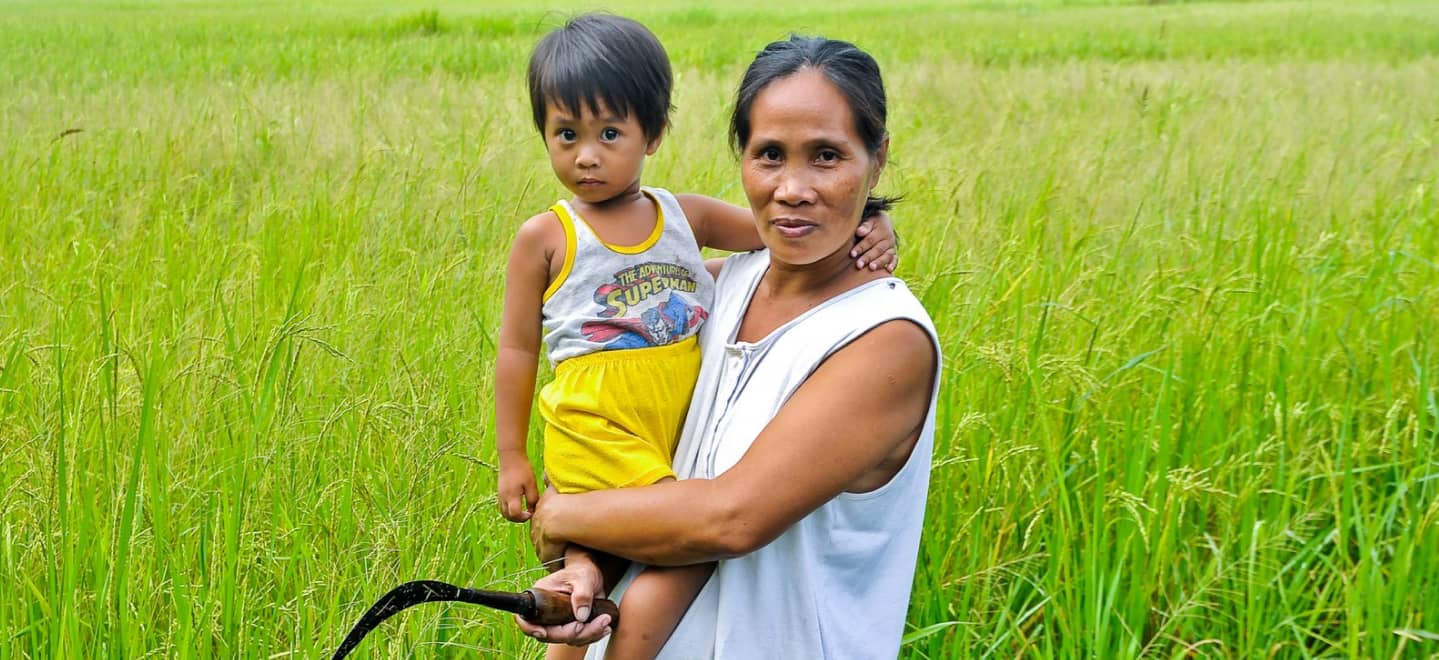
Developing countries are the most vulnerable to the consequences of climate change and have the fewest resources to cope with them. With its investments in climate change adaptation and mitigation, BlueOrchard aims at strengthening the resilience of vulnerable households and MSMEs to extreme weather events, as well as financing a sustainable and low-carbon future.
Learn about our methodology here.
compared to baseline. Multiplied by average
household size or business size in each country.
Climate Insights

BlueOrchard Impact Bond Strategy
BlueOrchard Impact Bond Strategy – Annual Impact Report 2025
We are pleased to present our annual impact report of our impact bond strategy. This year’s report highlights the Fund’s ongoing contribution to fostering meaningful, positive change across emerging markets. Click to read the full report.
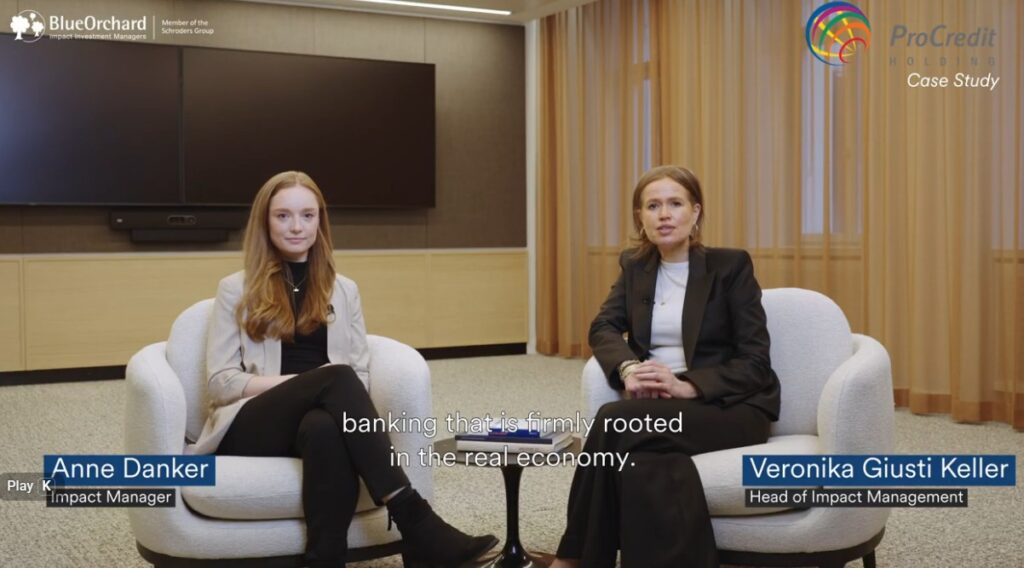
Case study: ProCredit Holding, integrating climate finance into SME banking at scale
How can climate finance be integrated into SME banking at scale?
In this video, we explore how ProCredit Group integrates climate finance into its SME banking model across emerging and developing markets. Discover how its green loan portfolio supports renewable energy and energy efficiency while helping MSMEs grow. Learn how green finance can generate measurable environmental outcomes, create scalable investment opportunities, and contribute to the transition to a lower-carbon economy. Click to view.
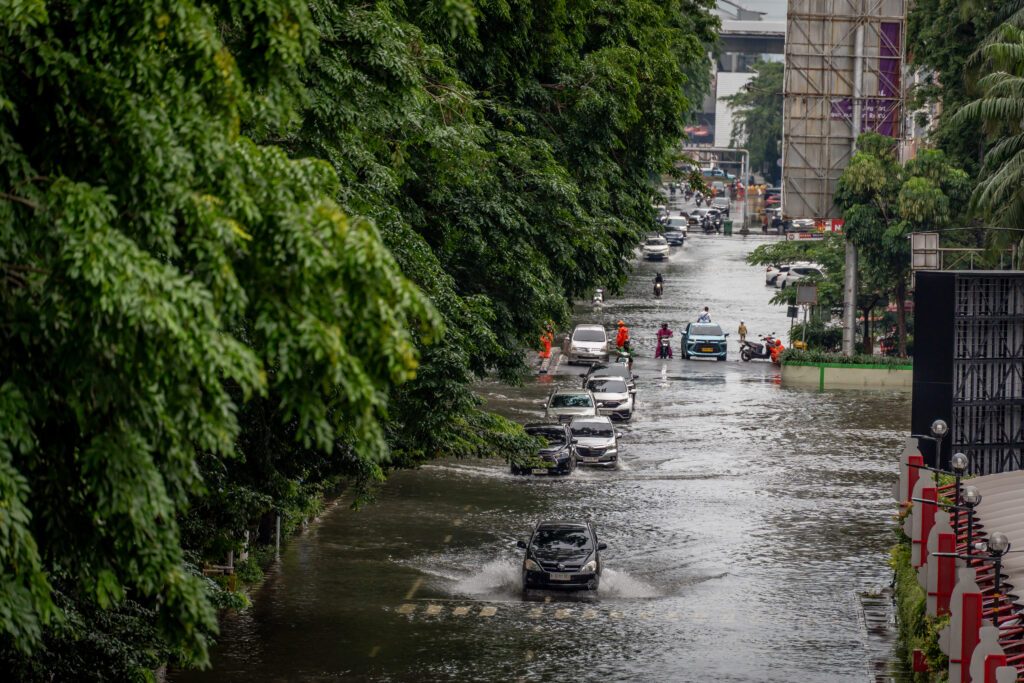
The three insurmountable obstacles to expanding climate insurance in emerging markets
How access, awareness, and affordability can help scale climate insurance.
Discover how climate insurance can expand in emerging markets by overcoming three key barriers: access, awareness, and affordability. Drawing on nearly a decade of experience, BlueOrchard explores practical lessons for closing the climate protection gap and strengthening resilience.

Climate Impact Investments in Emerging Markets
Climate Impact Investments in Emerging Markets
Explore how private investment and technological innovation in emerging markets can drive the green transition, unlock climate solutions, and deliver measurable impact alongside attractive financial returns. Click to read the full article.
Impact investing in public debt markets
Impact investing in public debt markets
Join Louis Bourgeois and Anne Danker as they discuss the evolution of impact investing in public debt markets, highlighting how labelled bonds have broadened opportunities and enabled scalable, credible impact strategies. Click to view video.
Impact in emerging markets: Looking at CIMB Bank Sustainability Bond
Impact in emerging markets: Looking at CIMB Bank Sustainability Bond
Join Louis Bourgeois and Anne Danker as they explore BlueOrchard’s impact in emerging markets, focusing on the opportunities and insights from CIMB Bank’s Sustainability Bond and its role in driving sustainable growth and socio-economic progress. Click to view video.
Interested in more stories of our impact investment?
Impact stories
Our Global Reach
Since our inception, we have invested in over 79 countries in Africa, Latin America, Central and Eastern Europe, and Asia through our private debt portfolio.*
Through our bonds portfolio, we have invested in over 67 countries (as of December 2025).
We invest in institutions that share our values and that consider positive social and environmental impact essential to their mission.
disbursed since inception
AUM of bonds portfolio
Impact of BlueOrchard’s Funds
We are a leading global impact investment manager, connecting millions of entrepreneurs in emerging and frontier markets with investors. Our aim is to make impact investment solutions accessible to all, advancing the conscious use of capital. BlueOrchard-managed funds generate a positive impact on society and/or the planet, consistently measured across all our offering.
Leveraging and building a flourishing network
Being a global company with a local presence, BlueOrchard has for 25 years established and maintained a strong network of institutions which is fundamental to deliver on the company’s multiple impact goals.
Private assets portfolio figures since inception; Public assets portfolio figures as of December 2025.
Our Contribution
Engagement is a core part of BlueOrchard’s investment process, as it is a tool to build partnerships with our portfolio companies and/or issuers, gain a better understanding and visibility of their sustainability strategies, and support, encourage, and guide them towards best sustainability practices and maximise impact potential. Thus, engagement is an integral component of our Funds’ theory of change, playing a crucial role in achieving impact objectives.
Partners and Network
*Logos are the property of their respective entities.









BlueOrchard contributes to
16 out of the 17 SDGs
ecological and societal challenges and contribute to achieving the UN SDGs.





Access to financial services (including microfinance) is considered an enabler to end poverty. We include the number of poor and vulnerable that have been given access to microfinance and related financial product and services in less developed countries.
Access to financial services to small-scale food producers is considered an enabler to achieve food security and promote sustainable agriculture. We include the number of small-scale farmers that have been given access to financial services in less developed and frontier markets.
Access to financial and related products and services tailored to affordable healthcare is instrumental to improve universal health coverage. We contribute to SDG 3 by funding institutions with an earmarked healthcare portfolio addressing the needs of the poor and vulnerable in emerging and frontier markets.
We invest in institutions that offer education financial services to low income households in less developed and frontier markets. We measure contribution by i) the number of beneficiaries that receive MSME loans for primary, secondary and tertiary education, ii) the number of loans to affordable private education providers in Africa, and iii) the number of Technical Assistance projects funded.
Financial inclusion provides women with greater economic empowerment. We measure the number of women that receive MSME financial services and the number of investees that offer tailored MSME financial services to women.
Providing access to clean water and sanitation services is a basic human right and is key for people’s health in emerging and frontier markets. We contribute to SDG 6 by targeting organisations that improve access to drinking water or install waste water treatment plants.
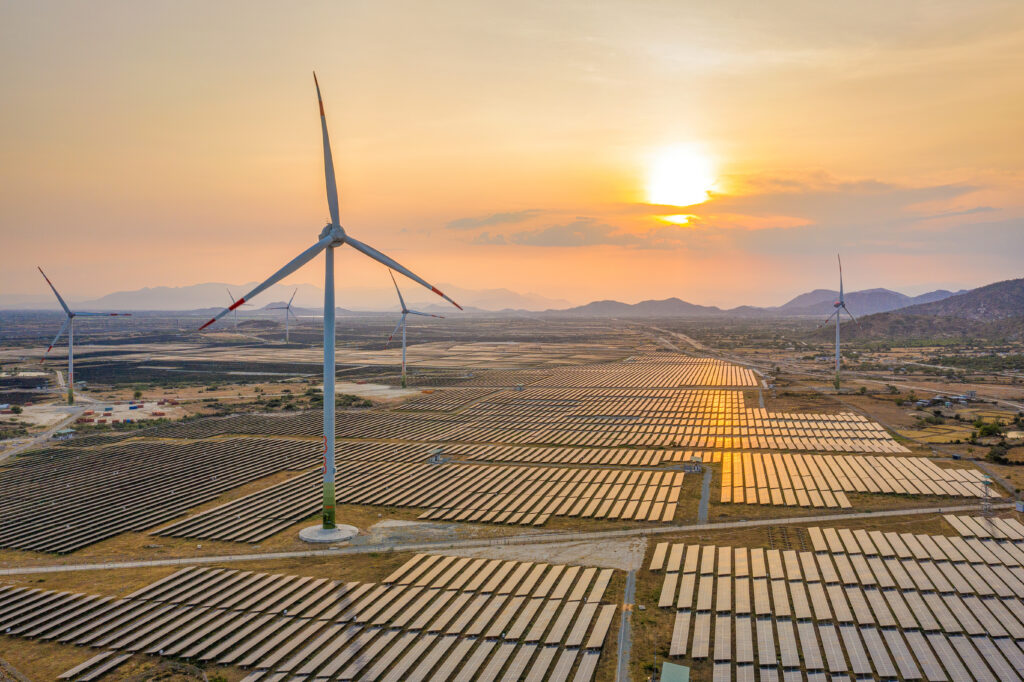
Access to energy, while taking care of the environment, is crucial for sustainable development. We target organisations that advance solar or wind energy with a focus on emerging markets.
Access to financial services (including microfinance) is considered an enabler to promote growth of MSMEs and job creation. We measure the number of MSMEs that have access to loans and estimate the number of indirect jobs supported by MSMEs.
We invest in the establishment and improvement of data infrastructure, such as new or improved communication connections, which are important to create an enabling environment for economic and social development.
A well-balanced society is essential for sustainable development. We operate in frontier and emerging markets with a focus on ODA countries. Our investees focus to support inclusive businesses and entrepreneurship as part of their business models in LDC**, low, and middle income countries.
*Official development assistance; **Least developed countries
Cities are centre of human life and economic development. We target investees that focus on loans for affordable housing projects. We measure the number of affordable housing loans beneficiaries.
Meeting the world’s increasing demand for food and consumption goods while respecting the environment during the production process is a challenge yet to be solved. We contribute to SDG 12 by investing in waste management and recycling and basic infrastructure.
We target investees that contribute to the adaptation to climate change by improving access to and the use of insurance in developing countries. The aim is to reduce the vulnerability of micro, small and medium enterprises (MSME) as well as low-income households to extreme weather events. We measure the poor and vulnerable beneficiaries that have received climate insurance.
80'445'786 climate insurance beneficiaries (Total number of new climate insurance policy holders compared to baseline. Multiplied by average household size or business size in each country) (as of December 2025)BlueOrchard is deeply committed to contributing to the achievement of the SDGs. With our investments, we address 16 out of the 17 SDGs. Read here how we make a positive contribution to each of these goals.
BlueOrchard is deeply committed to contributing to the achievement of the SDGs. With our investments, we address 16 out of the 17 SDGs. Read here how we make a positive contribution to each of these goals.
BlueOrchard is deeply committed to contributing to the achievement of the SDGs. With our investments, we address 16 out of the 17 SDGs. Read here how we make a positive contribution to each of these goals.
Mobilisation of private investments in developing and frontier markets is key to achieve sustainable objectives. Over time, we have specialized in blended finance structures, leveraging the capital invested to the benefit of emerging and frontier markets. We measure the volume of private investments directed to emerging economies.
USD 4.99 billion private capital mobilised (Amount of private capital in BlueOrchard's funds as of December 2025)Our Impact Memberships




Our Awards


BlueOrchard –
We measure what we treasure
Figures as of 31 December 2025; Source: BlueOrchard
of staff

Let's stay connected
Interested in our latest reports and updates?
Subscribe to our newsletterAny questions or suggestions?
Write us an email